




Beyond SEO: How to Optimise for Generative Search in 2026
Welcome to Generative Engine Optimisation (GEO), or Answer Engine Optimisation (AEO), the new standard for being seen, trusted and understood online.


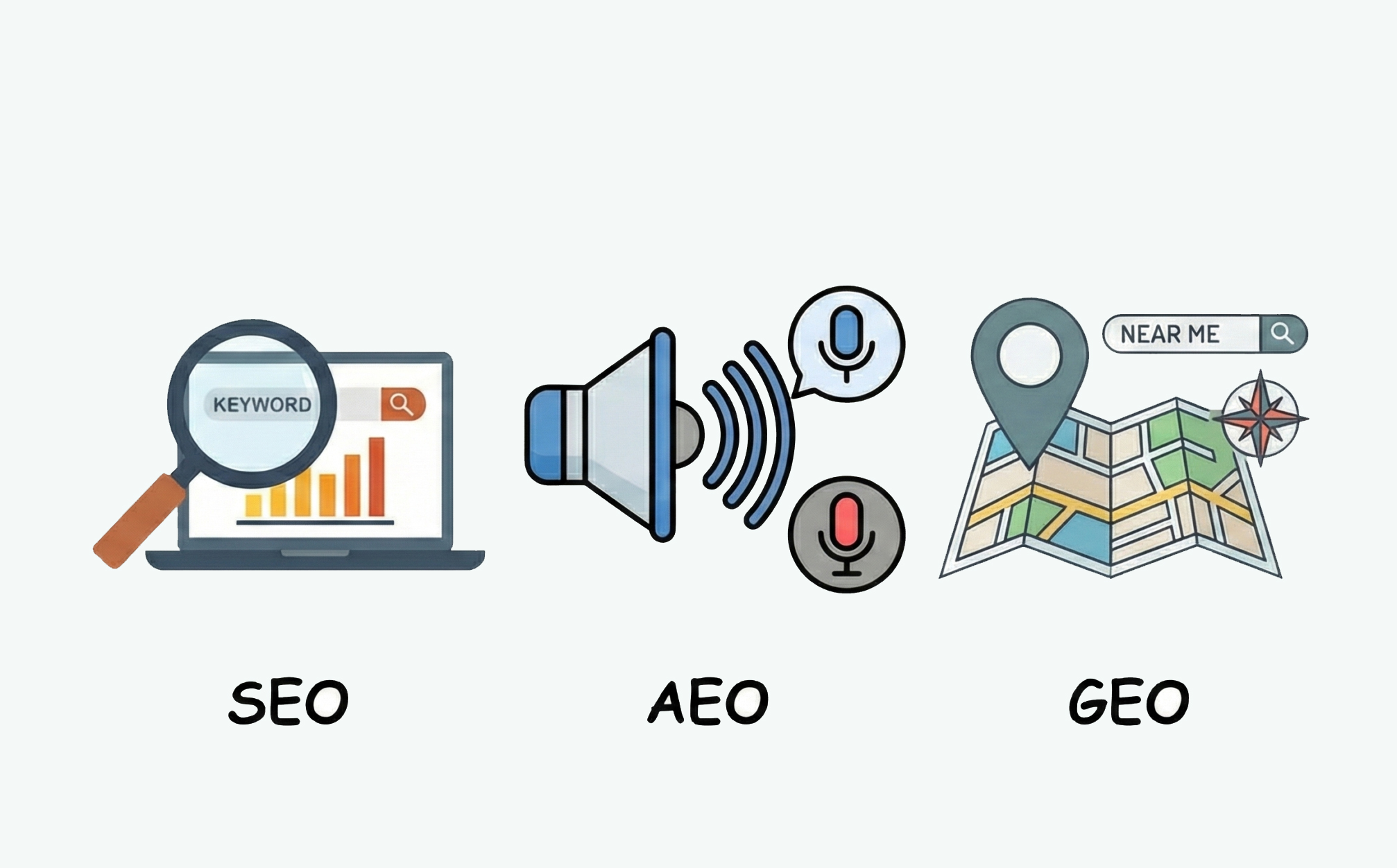

Search has changed. People don’t just type keywords anymore, but they ask questions. With tools like Google’s AI Overviews, Gemini and ChatGPT serving direct answers to people’s questions, discovery has become more conversational, predictive and human-like. For purpose-driven organisations, this shift doesn’t mark the end of SEO. It’s simply its next chapter.
According to Search Engine Land (2025), top-ranking pages have seen up to a 65% decline in organic clicks since Google introduced AI Overviews. Yet those same pages often feed the AI-generated answers that users now rely on. Visibility has moved from click-based to context-based.
For Pixeled Eggs, this shift represents opportunity. Because the same qualities that build trust with users, authenticity, structure and clarity are exactly what AI now rewards.
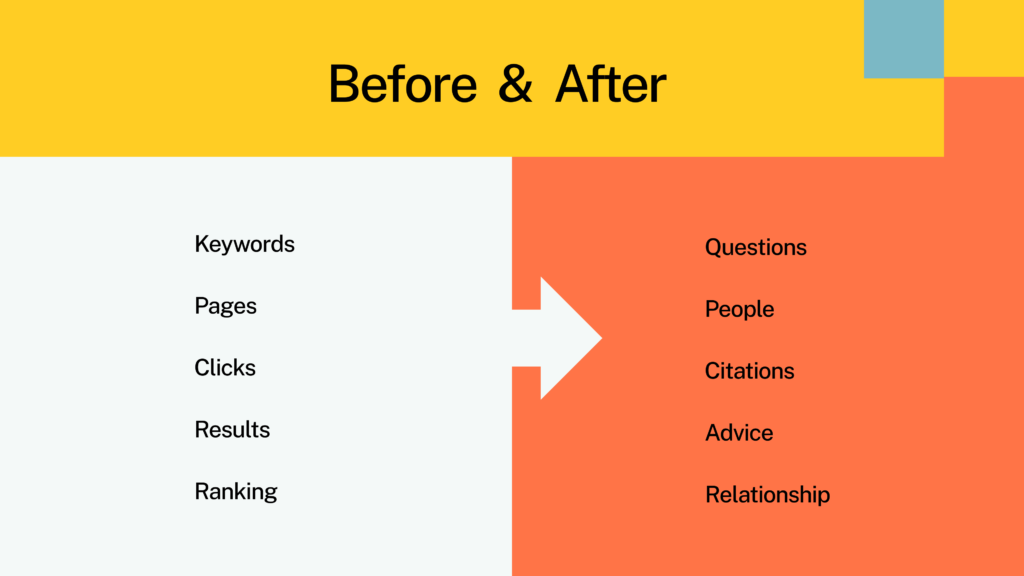
From Keywords to Questions
Traditional SEO taught us to target keywords. GEO asks us to focus on answering questions.
People no longer search for “climate change charity UK.” They ask, “How can I make a difference in the UK’s climate movement?”
AI models scan for content that mirrors how humans speak and think. The goal isn’t to stuff pages with phrases but to answer intent clearly and conversationally. Websites that use question-based headings, natural phrasing, and relevant long-form explanations are far more likely to be cited in AI results.
Tip: Instead of writing “charity donation page,” structure your content around “How your donation helps” or “Why your support matters.” It feels human, and that’s exactly how AI recognises it.
From Clicks to Citations
Being cited is the new being clicked. Generative search doesn’t just link to your content, it learns from it. When Google’s AI Overview explains a topic, it pulls data from trusted, well-structured sources. Those citations often come from the top 10 organic results, meaning strong SEO foundations still matter (BrightEdge, 2025). To appear in those answers, your content must read as reliable! So it’s essential to write in full sentences, back your claims with data and organise your ideas logically. Schema markup can help AI understand what your page means, not just what it says. Tagging FAQs, events or donation opportunities gives context, and context builds trust.
From Results to Recommendations
AI search behaves more like a guide than a directory. Instead of listing ten blue links, it recommends actions. For purpose-led brands, this means visibility now sits inside influence. If your website consistently shares knowledge, measurable impact and trustworthy resources, AI is more likely to recommend you when users ask for advice or solutions.
Think of it as digital word of mouth. You’re not just being found, you’re being endorsed! For example, a homelessness charity with structured, clearly written content around “How your donation helps” could appear directly in Google’s summary explaining community support. The page might not get the click but it earns credibility.
From Rankings to Relationships
Visibility is now built through consistency across channels: your website, your social media presence, your storytelling videos. AI looks for signals of coherence, a connected network of content that reflects authority and care. That’s why topic clusters of related articles connected by internal links are crucial. They tell both people and machines that you understand a subject deeply. At Pixeled Eggs, this is how we build every website: smart, modern and human-first. Because when design, UX and strategy work together, trust grows naturally online and off.
The practical checklist for GEO
Start with SEO basics
- Fast page speed and mobile-friendly layouts
- Clear navigation and logical internal links
- Descriptive metadata that speaks to humans and algorithms alike
Add structured data
- Use schema markup for organisation info, events, FAQs and donation pages
Write for intent
- Prioritise “how” and “why” over “what”
Create topic clusters
- Link related themes like sustainability, impact or community growth
Use multimedia
- Videos and images (with good alt texts) help AI (and people) understand context
AI search isn’t mysterious. It’s logical. It rewards content that’s credible, structured and genuinely useful, qualities every purpose-driven organisation already values.
To sum it up, generative search is changing how people find information, but not why they trust it. The same foundations that made SEO strong – clarity, structure and authenticity – are what make GEO work.
This evolution doesn’t replace human creativity. It relies on it. AI might answer questions, but it learns from us. The stories, insights and experiences shared by real people are what shape its understanding of the world. And that’s why purpose-driven organisations hold more power than they realise.
At Pixeled Eggs, we build websites that help those stories travel further, designed for humans, ready for the algorithms that learn from them.
Want to make your content discoverable in the age of AI search? Pixeled Eggs helps purpose-driven brands build clarity, trust and visibility for people and for algorithms.
Because the future of search isn’t about beating the algorithm. It’s about earning trust – one question, one story, one meaningful answer at a time. Let’s talk strategy!